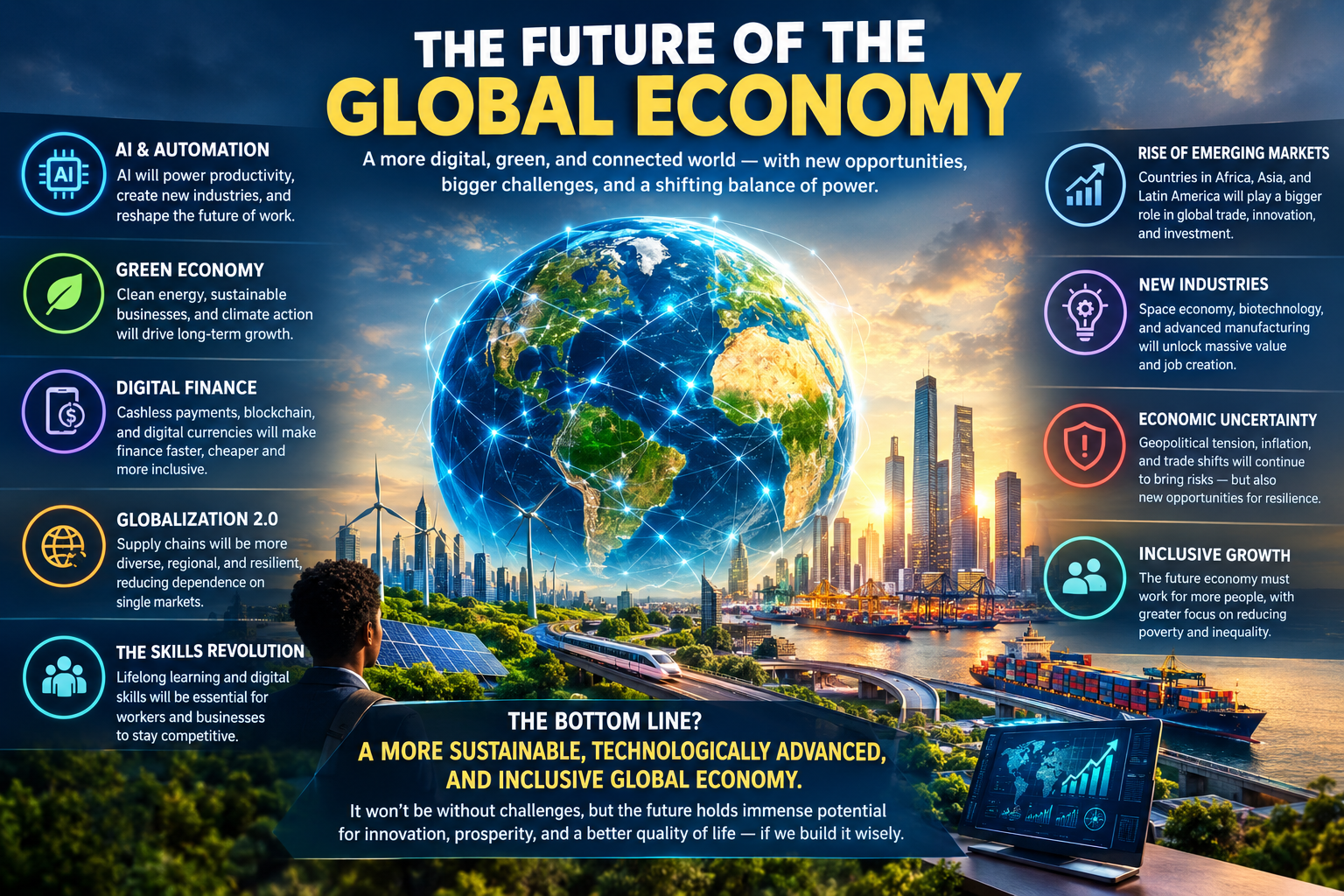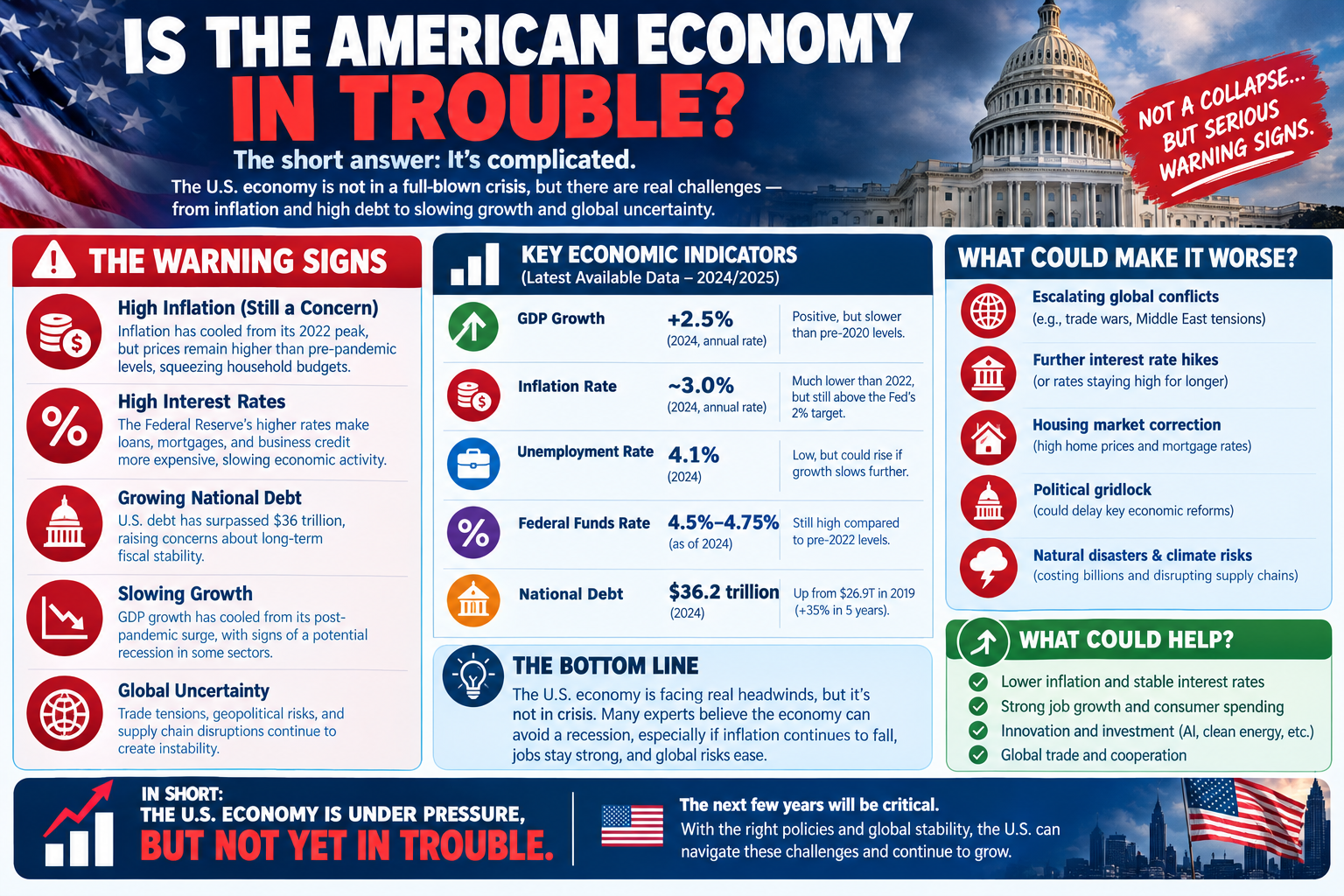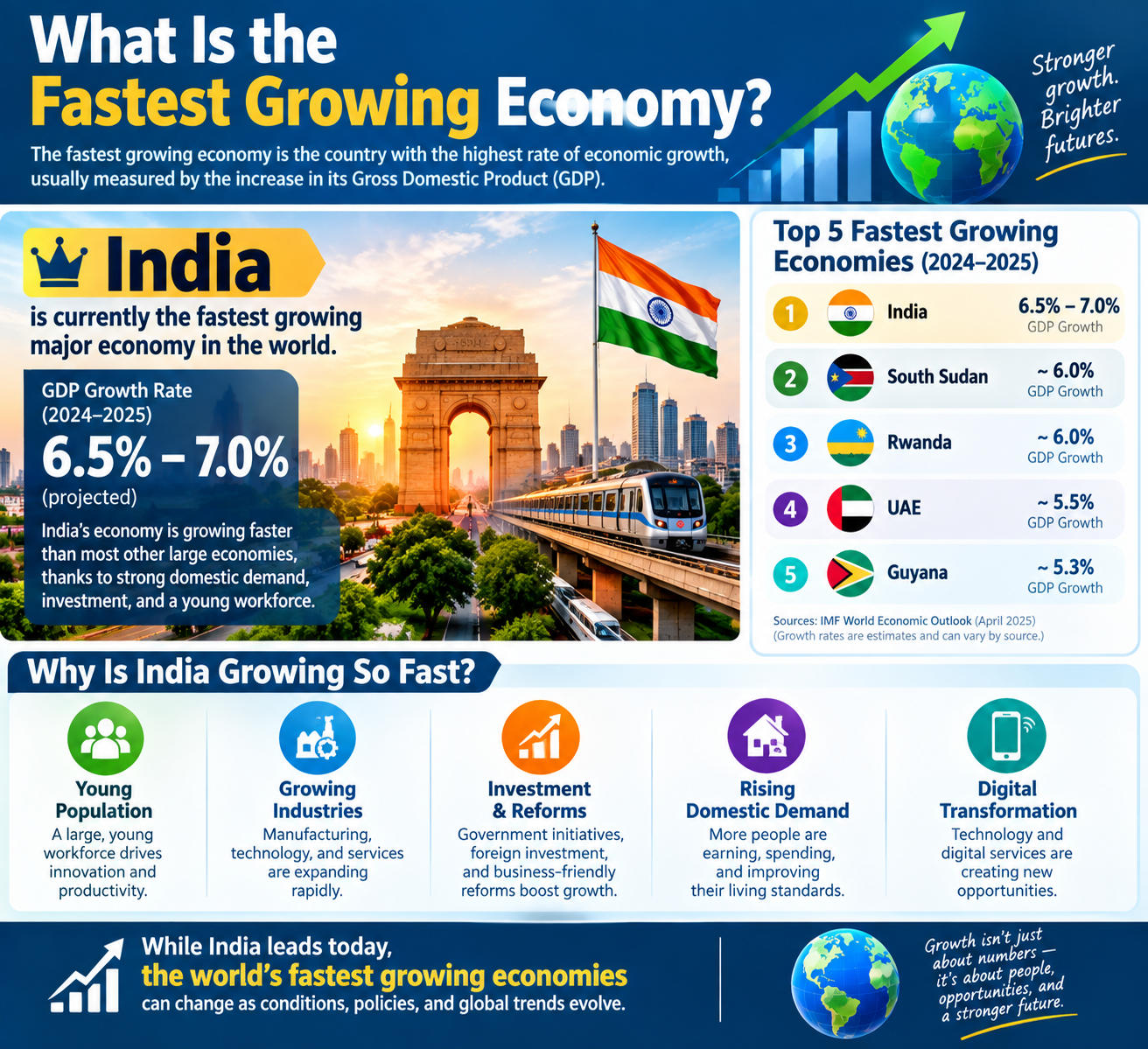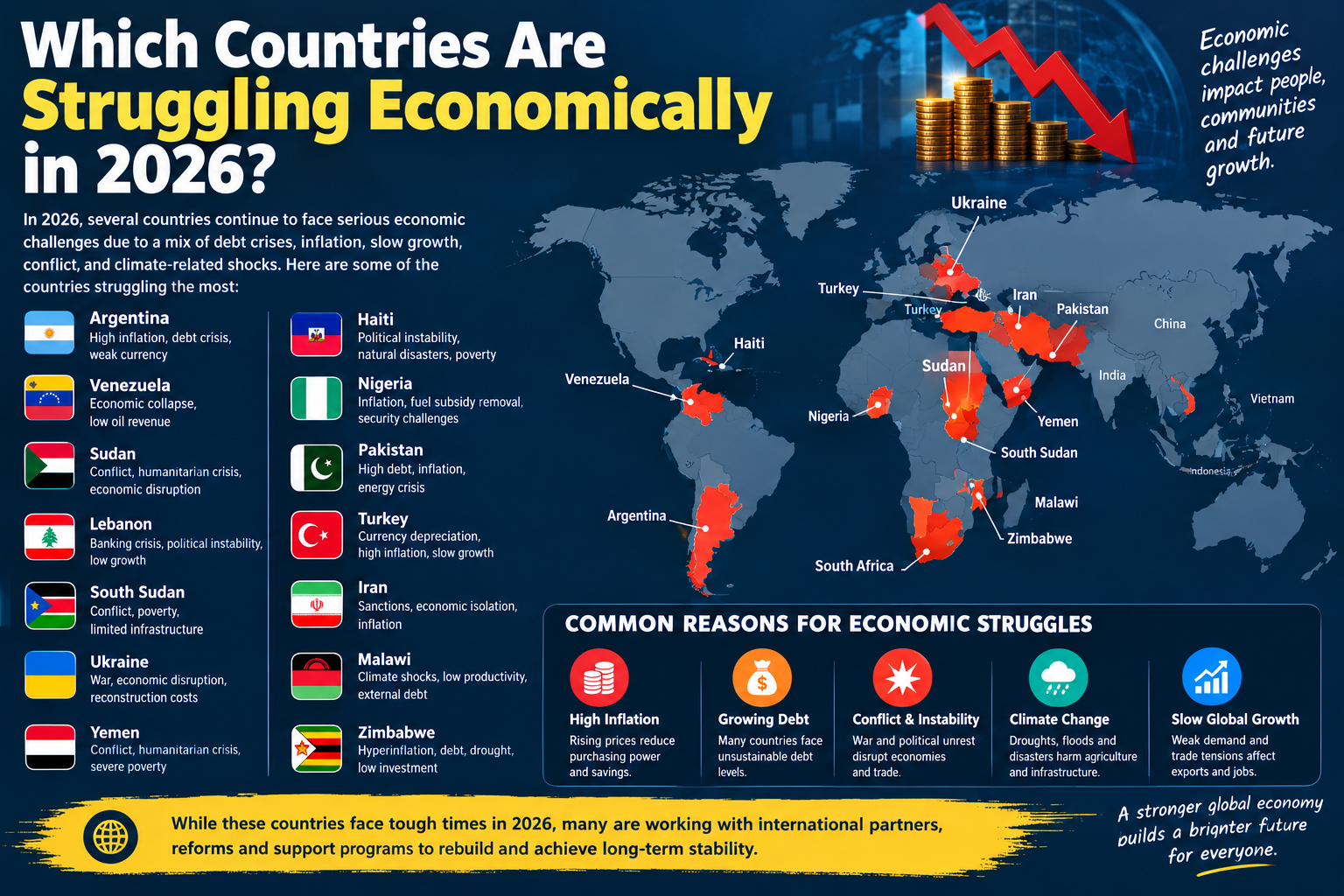
The global economy in 2026 is still growing, but that growth is far from evenly distributed. While some countries are benefiting from artificial intelligence, investment, strong commodity demand and expanding consumer markets, others are dealing with war, high inflation, debt, weak currencies, political instability and declining productivity.
It is therefore important to understand that an economically struggling country does not necessarily mean its economy is collapsing. Some countries are experiencing recession or severe contraction, while others are growing slowly but face serious structural problems.
Among the countries facing some of the greatest economic difficulties in 2026 are Sudan, South Sudan, Syria, Yemen, Ukraine, Haiti, Argentina and several highly indebted or conflict-affected developing economies. Their problems are different, but they share one common feature: economic growth is being undermined by forces that make investment, employment and stable living standards difficult to sustain.
1. Sudan: Economic Damage From War
Sudan is one of the clearest examples of an economy struggling because of conflict.
The war that began in 2023 has severely damaged the country’s productive capacity. Businesses have been disrupted, infrastructure has been destroyed, millions of people have been displaced and agricultural production has been affected.
Economic activity requires security. Farmers need access to their land, businesses need functioning transportation networks, workers need to be able to travel safely and investors need confidence that their assets will be protected.
The continuing conflict has made these basic conditions extremely difficult to maintain.
As a result, Sudan faces not only a short-term economic problem but also the enormous challenge of rebuilding its economy after the conflict eventually ends.
2. South Sudan: Dependence on Oil
South Sudan faces a different but related set of problems.
The country’s economy is heavily dependent on oil, which provides a large share of government revenues and export earnings. This makes the country vulnerable to changes in global oil prices and disruptions to oil production.
Political instability and conflict have also made economic development more difficult.
When a country depends heavily on a single commodity, economic diversification becomes essential. South Sudan needs investment in agriculture, infrastructure, education and private businesses if it wants to create a more stable economy.
Without diversification, a decline in oil production or prices can quickly reduce government revenues and economic activity.
3. Syria: Long-Term Economic Destruction
Syria continues to face enormous economic challenges after years of conflict.
The destruction of infrastructure, displacement of workers, reduced investment and disruptions to trade have weakened productive capacity.
Rebuilding an economy after prolonged conflict is extremely difficult because the country must restore not only physical infrastructure but also financial institutions, businesses, public services and investor confidence.
Syria’s experience demonstrates that economic development can take decades to recover after major political and military disruptions.
4. Yemen: Conflict and Humanitarian Pressure
Yemen also faces severe economic difficulties.
Years of conflict have damaged infrastructure and disrupted businesses, trade and employment. The country has also experienced significant humanitarian problems.
Economic instability can reinforce humanitarian problems because people who cannot find stable employment have fewer resources to afford food, healthcare and housing.
Yemen therefore faces the challenge of restoring economic activity while simultaneously dealing with political and humanitarian problems.
5. Ukraine: War and Reconstruction
Ukraine’s economy continues to face enormous pressure because of the war with Russia.
The conflict has damaged infrastructure, disrupted production and forced millions of people to leave their homes.
At the same time, Ukraine has demonstrated considerable economic resilience.
International financial support, agricultural exports, technology industries and government efforts have helped maintain economic activity.
However, the long-term reconstruction bill is expected to be enormous.
Rebuilding roads, housing, energy systems, factories and other infrastructure will require substantial investment.
If peace and stability improve, reconstruction could eventually become a major source of economic activity.
6. Haiti: Political Instability and Weak Institutions
Haiti is another country facing severe economic challenges.
Political instability, insecurity and weak institutions have made it difficult to attract investment and create sustainable economic growth.
Businesses cannot operate efficiently when transportation, security and public services are unreliable.
Haiti also remains vulnerable to natural disasters, which can destroy infrastructure and agricultural production.
The country’s long-term recovery therefore depends on improving security and governance as well as strengthening the economy.
7. Argentina: Inflation and Economic Instability
Argentina represents a different kind of economic challenge.
Unlike Sudan or Yemen, Argentina has a large and diversified economy with substantial agricultural, industrial and natural-resource potential.
However, the country has experienced years of high inflation, debt problems, currency instability and economic uncertainty.
The government has introduced significant reforms designed to stabilize the economy, reduce fiscal deficits and control inflation.
These reforms can produce painful short-term consequences, but the objective is to create greater macroeconomic stability and restore long-term investment.
Argentina therefore illustrates an important point: an economically struggling country can still possess enormous economic potential.
8. Venezuela: Oil Wealth Without Economic Stability
Venezuela has some of the world’s largest oil reserves, yet it has experienced a prolonged economic crisis.
The country has suffered from economic mismanagement, political instability, sanctions, declining oil production and severe inflationary pressures.
Its experience demonstrates that natural resources alone cannot guarantee prosperity.
A successful economy also requires effective institutions, investment, productivity, stable monetary policy and confidence among businesses and investors.
Venezuela’s enormous natural-resource wealth could provide a foundation for recovery if economic and political conditions improve.
Why Are These Countries Struggling?
Although these countries have different circumstances, several common factors appear repeatedly.
War and Conflict
Conflict is one of the biggest threats to economic development.
Wars destroy infrastructure, disrupt trade, reduce investment and force workers and businesses to relocate.
High Inflation
High inflation reduces purchasing power.
When food, fuel, housing and transportation become more expensive faster than wages increase, households become poorer in real terms.
Government Debt
High debt can limit government spending on infrastructure and public services.
Governments may be forced to spend a large share of their revenue on interest payments rather than economic development.
Weak Institutions
Businesses need predictable laws, functioning courts, reliable infrastructure and stable government policies.
When these systems are weak, investment tends to decline.
Commodity Dependence
Countries that depend heavily on oil, minerals or agricultural exports can be vulnerable to changes in international prices.
Diversification is therefore an important part of long-term economic development.
Are All Struggling Economies Doomed to Remain Poor?
No.
History shows that countries can recover from serious economic crises.
Economic recovery usually requires a combination of political stability, investment, infrastructure development, effective institutions and policies that encourage private-sector activity.
A country recovering from war may eventually experience rapid growth because reconstruction creates demand for construction, transportation, manufacturing and services.
Similarly, a country suffering from inflation can potentially restore stability through credible monetary and fiscal policies.
The process can be difficult and painful, but economic decline is not necessarily permanent.
What Can Other Countries Learn?
The struggles of these economies provide important lessons for the rest of the world.
First, economic stability depends on political stability.
Second, countries need to diversify their economies rather than relying excessively on one commodity.
Third, investment in education and infrastructure is essential for long-term productivity.
Fourth, governments need sustainable debt and fiscal policies.
Finally, strong institutions matter.
A country can possess oil, minerals, fertile farmland or a large population, but without effective institutions, those advantages may not translate into broad prosperity.