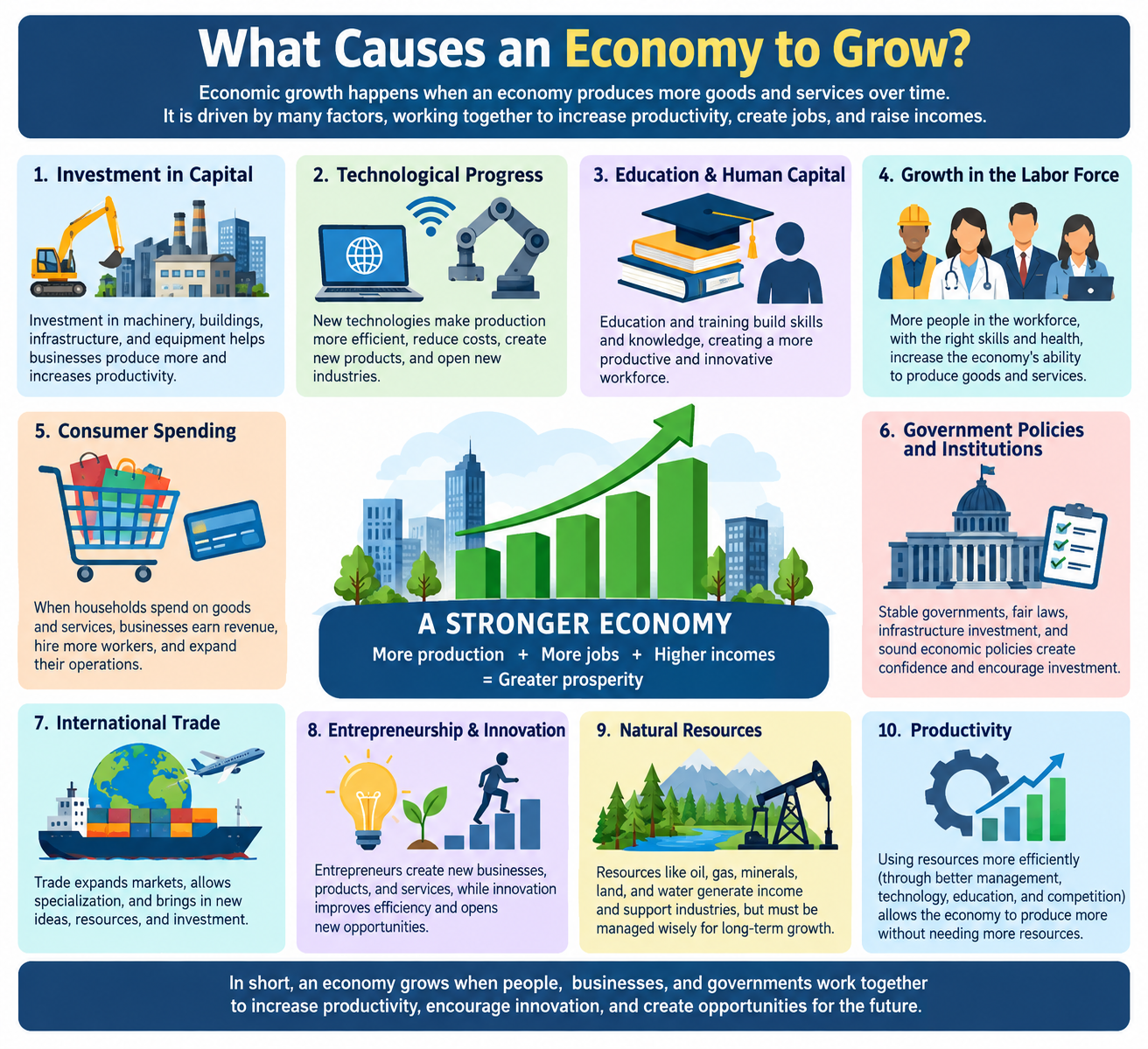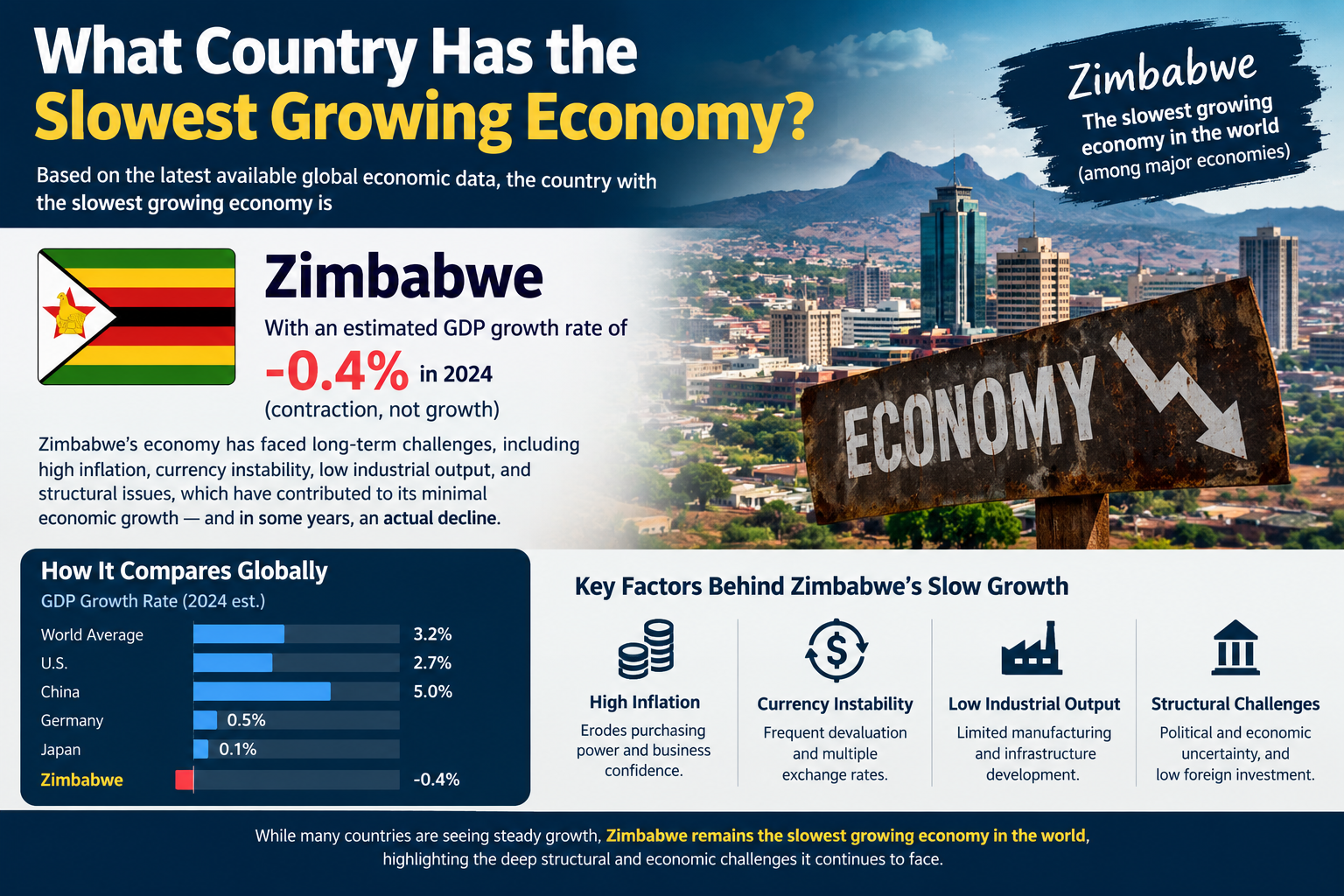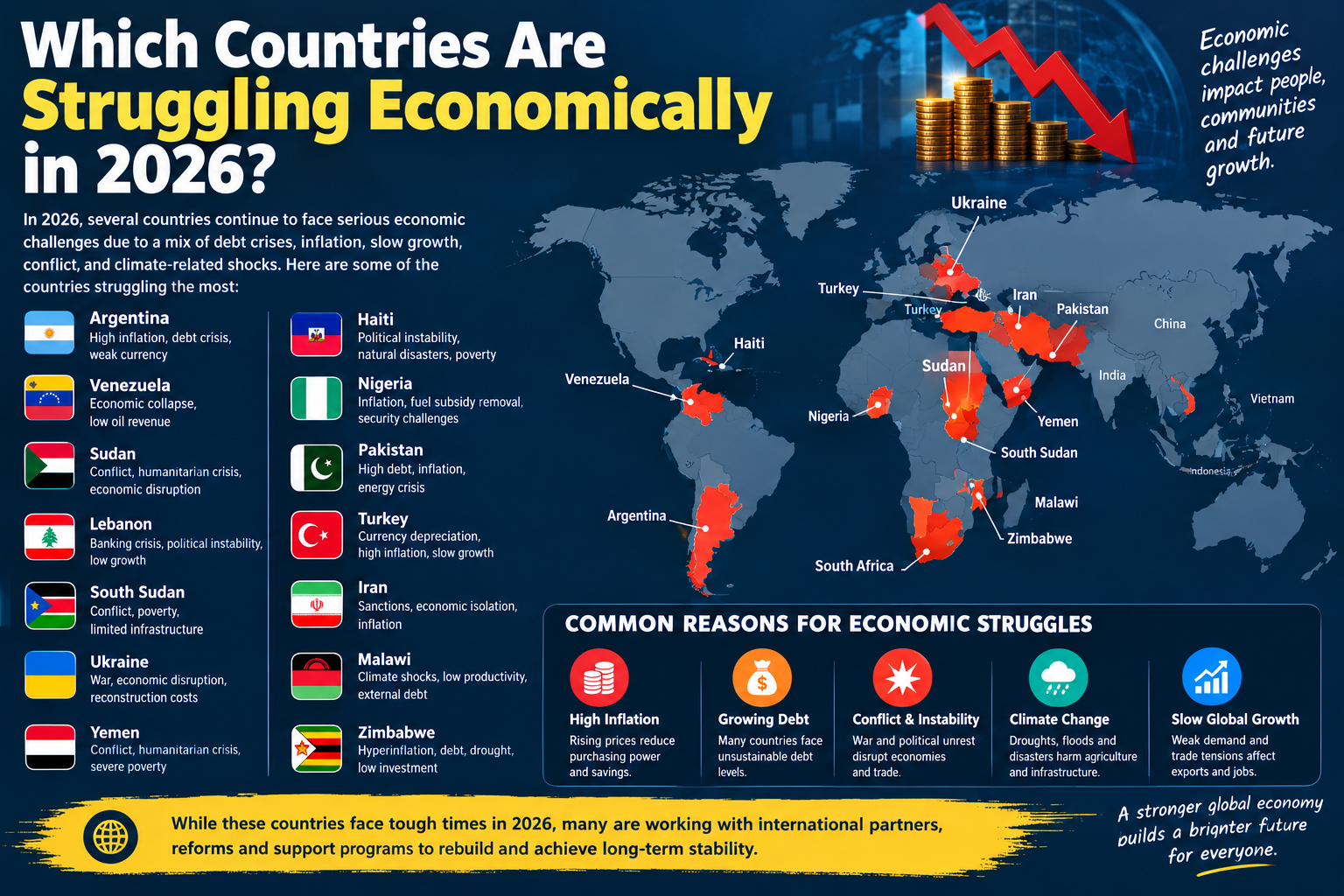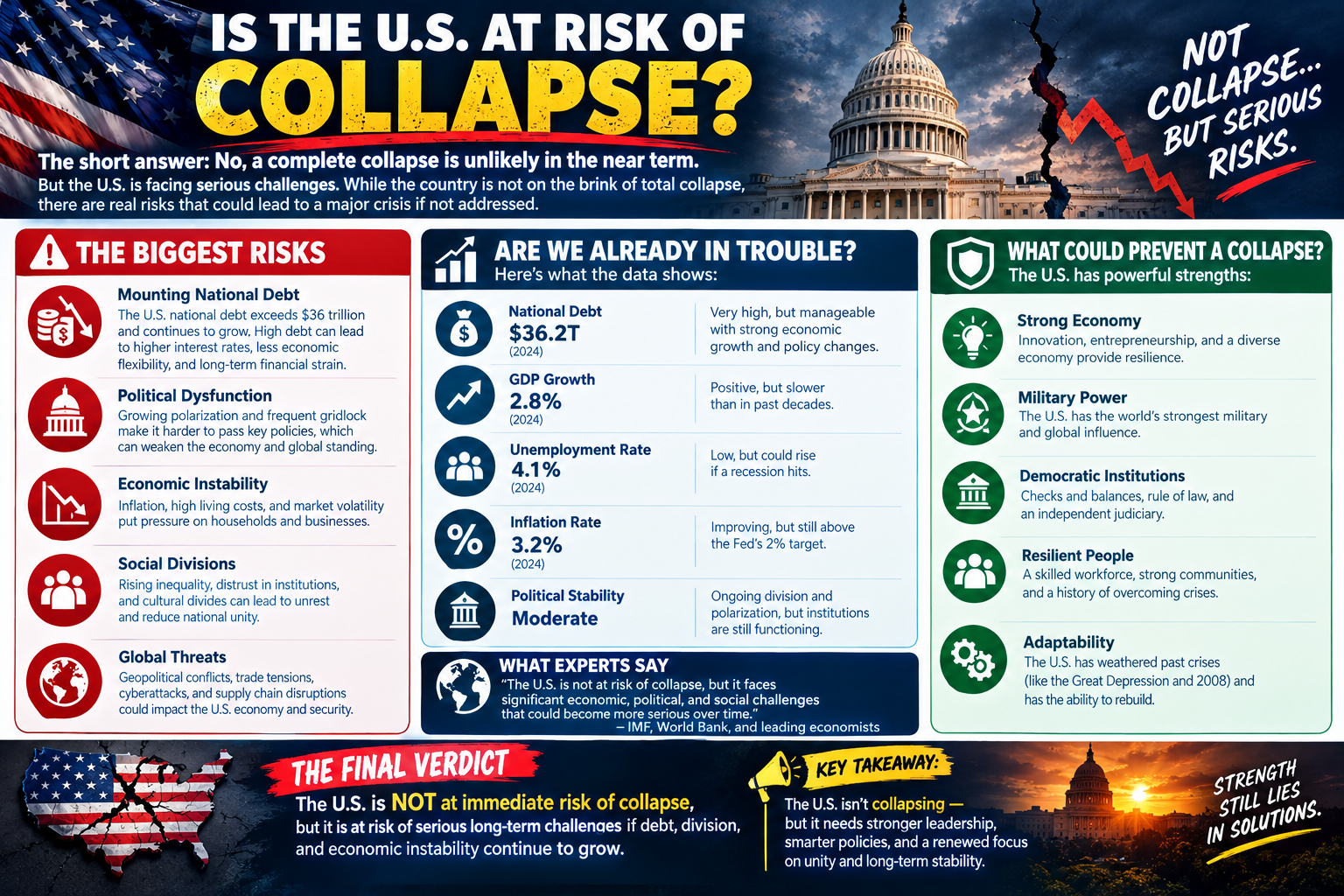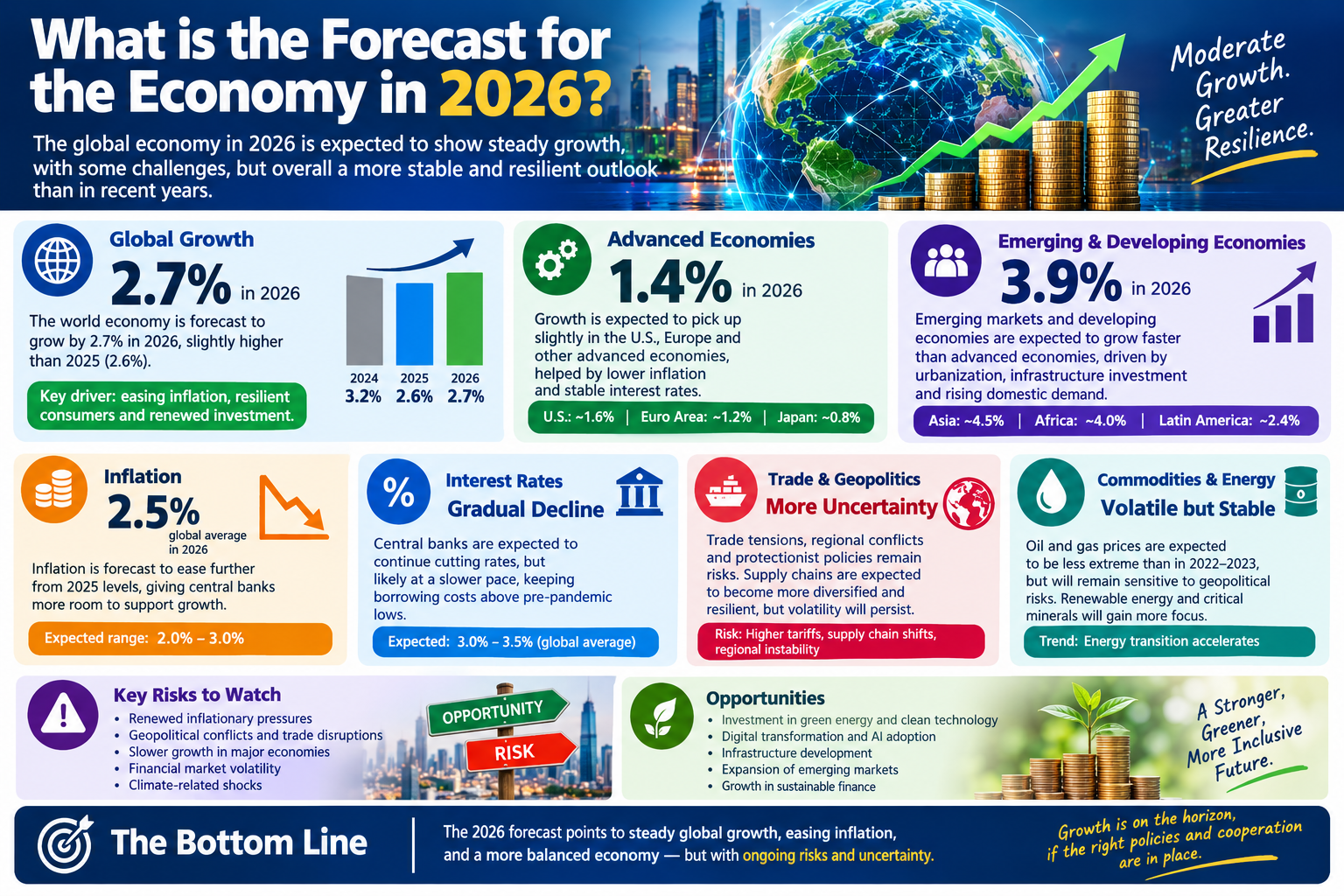
The global economy in 2026 is expected to remain resilient, but the outlook is far from simple. Economic growth is continuing, yet countries are facing a difficult combination of geopolitical conflict, higher energy costs, inflationary pressure, elevated government debt, changing trade relationships, and rapid technological development.
The latest major forecasts also show why there is no single answer to the question of what will happen to the economy in 2026. The International Monetary Fund (IMF) projected global growth of 3.0% in 2026, while the World Bank projected a weaker 2.5%. The difference reflects different assumptions about the effects of geopolitical and energy shocks.
Overall, 2026 is shaping up to be a year of slow but positive global growth, persistent inflation risks, technological transformation, and significant uncertainty.
Global Economic Growth Will Remain Positive
The most important point is that the global economy is not expected to fall into a worldwide recession under the baseline forecasts.
The IMF’s July 2026 forecast puts global growth at 3.0%, followed by 3.4% growth in 2027. The organization describes the global economy as relatively resilient despite major shocks. However, growth is uneven, with technology-related investment supporting some economies while war and energy disruptions weigh on others.
The World Bank is more cautious. Its June 2026 forecast expects global growth of 2.5%, down from 2.9% in 2025. It described this as the weakest global growth rate since the COVID-19 pandemic, largely because of the economic effects of conflict, higher energy prices and increased borrowing costs.
This means 2026 should not necessarily be viewed as a year of economic collapse. Instead, it is likely to be a year in which the global economy grows, but at a relatively modest pace.
Inflation Will Remain a Major Concern
Inflation is another important part of the 2026 economic forecast.
Inflation had been moving lower in many countries, but geopolitical events and higher energy prices have interrupted that progress. The IMF expects global headline inflation to average around 4.7% in 2026, and it says the global disinflation process has stalled.
The World Bank also expects inflation to increase, projecting global inflation of around 4.0% in 2026, compared with 3.3% in 2025. Higher oil and fertilizer prices are important reasons for the increase.
For ordinary consumers, this matters because falling inflation does not necessarily mean that prices are falling. It means prices are increasing more slowly.
Therefore, households may continue to feel pressure from the cost of food, transportation, housing, electricity and other essential goods and services.
Interest Rates Could Remain Important
Central banks around the world will continue to face a difficult decision in 2026: how to support economic growth without allowing inflation to become entrenched.
If inflation remains high, central banks may have to maintain relatively restrictive monetary policies. That can make mortgages, business loans, credit cards and government borrowing more expensive.
Higher borrowing costs can slow economic activity because companies may postpone investment and consumers may reduce spending.
For heavily indebted governments, the problem is even more serious. Governments must spend more money servicing debt, leaving less available for infrastructure, education, healthcare and other priorities.
The World Bank has warned that rising debt levels are making it increasingly difficult for developing economies to respond to economic shocks and invest in long-term growth.
Artificial Intelligence Could Be a Major Growth Engine
One of the biggest positive developments in the 2026 economy is the rapid expansion of artificial intelligence.
Companies are investing heavily in AI infrastructure, semiconductors, cloud computing, data centres and automation. This investment is supporting economic activity in countries that are deeply connected to global technology supply chains.
The IMF identifies the technology cycle and AI-related demand as important forces supporting growth in 2026.
AI could eventually increase productivity by allowing companies to perform certain tasks faster and at lower cost.
However, there is also a risk. Financial markets have already placed significant expectations on AI-related companies. If investors become convinced that AI profits will not justify current valuations, a sharp market correction could occur.
The IMF has specifically identified a reassessment of AI-driven productivity expectations as one of the downside risks to the global economy.
Trade and Globalization Are Changing
Global trade is also undergoing a major transformation.
Governments are increasingly concerned about supply-chain security, strategic industries, tariffs and dependence on foreign suppliers. This could encourage companies to move production closer to their major markets or diversify their suppliers.
For businesses, this can increase costs in the short term. But it could also create opportunities for countries capable of attracting new factories, infrastructure investment and international capital.
Emerging economies in Africa, Asia and Latin America could benefit if companies look for alternative manufacturing and supply-chain locations.
However, increased trade restrictions could also reduce the efficiency of the global economy and contribute to higher prices.
Emerging Markets Will Face a Mixed Picture
Developing economies will experience very different outcomes in 2026.
The World Bank expects developing economies to grow by around 3.6%, significantly slower than the 4.4% recorded in 2025. Sub-Saharan Africa is expected to grow by approximately 4.0% in 2026.
There are nevertheless important opportunities.
Countries with large populations, growing consumer markets, natural resources, improving digital infrastructure and expanding financial systems could attract significant investment.
Nigeria, for example, is expected by the IMF to grow by about 4.1% in 2026, supported by improving macroeconomic stability and favorable terms of trade as an oil exporter.
But growth alone will not solve every problem. Governments will need to create jobs, control inflation, improve infrastructure and ensure that economic expansion translates into higher household incomes.
Energy Prices Could Determine the Outlook
Energy will remain one of the most important variables for the global economy.
Oil and gas prices influence transportation, manufacturing, electricity generation, food production and almost every major part of the economy.
The World Bank projected Brent crude to average about $94 per barrel in 2026 under its assumptions, while warning that a more severe energy disruption could produce much weaker global growth.
Energy-importing countries are particularly vulnerable because higher oil prices increase their import bills and can weaken their currencies.
Energy exporters may benefit from higher revenues, although they can also suffer if geopolitical instability disrupts production or transportation.
Geopolitical Risks Remain High
Perhaps the biggest uncertainty surrounding the 2026 forecast is geopolitics.
Conflicts can disrupt energy supplies, shipping routes, food production, investment and international trade. They can also cause investors to move money toward perceived safe-haven assets, increasing financial-market volatility.
The IMF has warned that renewed conflict, geopolitical fragmentation, trade tensions and financial-market repricing could all weaken global growth.
If geopolitical conditions stabilize, the global economy could perform better than expected. If conflicts expand or energy disruptions become more severe, growth could fall substantially below the baseline forecasts.
What Does This Mean for the Rest of 2026?
The economic outlook for the remainder of 2026 can therefore be summarized in five words:
Slow growth, high uncertainty, major transformation.
The world economy is expected to keep expanding, but consumers and businesses may continue to feel pressure from high prices and borrowing costs.
At the same time, AI and technology investment could create new sources of productivity and economic growth. Countries that successfully adapt to technological change could become major winners of the next economic cycle.
Developing countries will have opportunities to attract investment and benefit from changing supply chains, but they must also deal with debt, inflation, infrastructure gaps and currency pressures.